When Is the Best Time to Visit the Serengeti and Masai Mara?
As Bushtops celebrates its 20th anniversary this year, I’ve found myself reflecting on the hundreds of conversations I’ve had with guests over the past two decades.
Without question, the one question I have been asked more than any other is:
“When is the best time to visit?”
My answer may surprise you.
There is no bad time.
The better question is:
“What do you want to experience?”
The Serengeti-Mara ecosystem is one of the most extraordinary wildlife destinations on Earth, and every season offers something unique. The ideal time to visit depends entirely on your priorities, expectations, interests and budget.
Let’s Start with the Biggest Misunderstanding
Many guests tell us they want to visit “during the migration.”
The reality is that the migration happens all year round.
The famous wildebeest migration is a continuous circular movement of animals through the greater Serengeti ecosystem. The herds are always moving, always migrating, and can be found in different regions throughout the year.
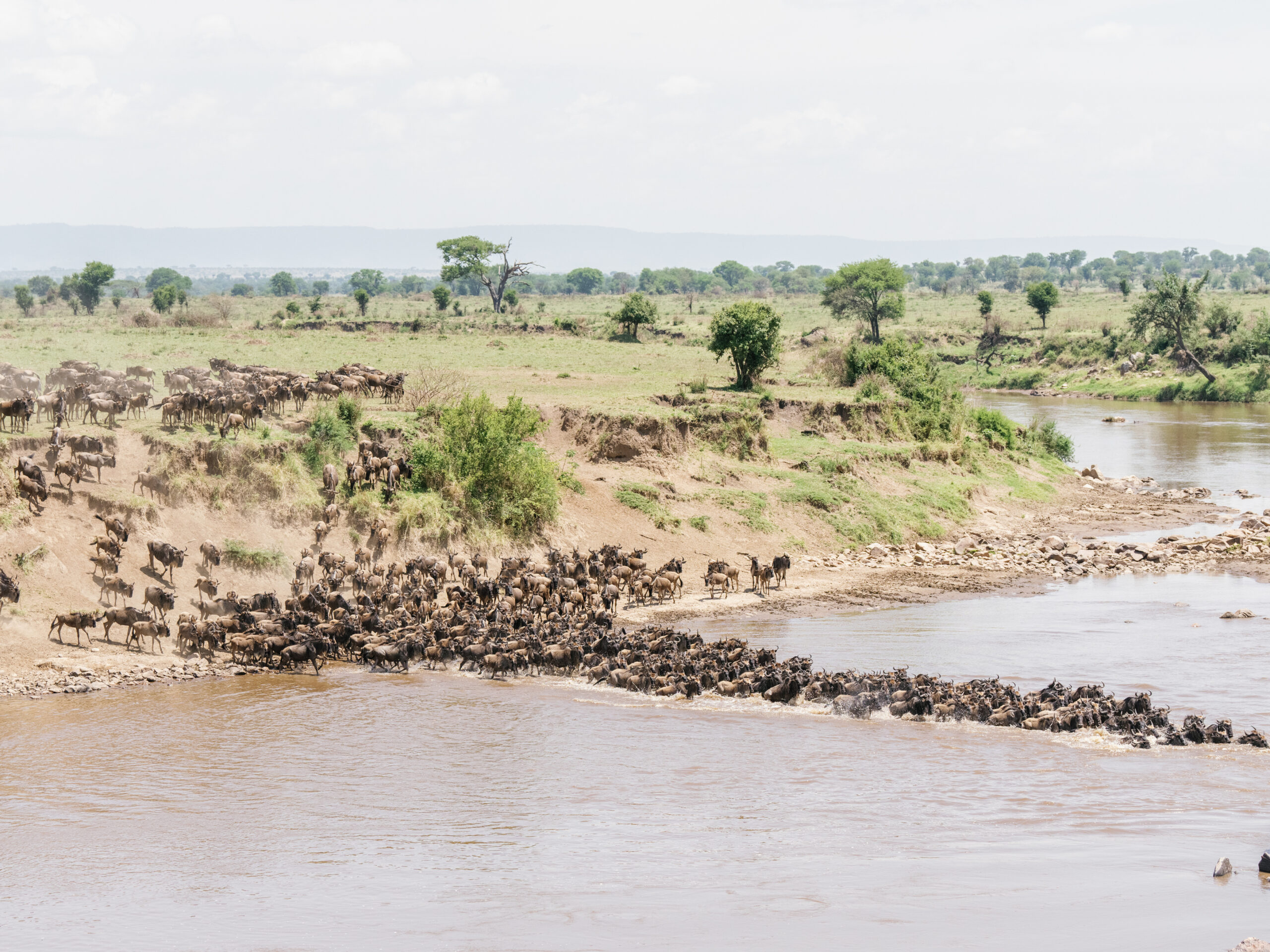
What most guests actually mean when they say they want to see “the migration” is that they want to witness the dramatic river crossings.
These crossings typically take place between approximately July and mid-October in the northern Serengeti and the Masai Mara.
Once this distinction is understood, guests can make much more informed decisions about when to travel.
Throughout the rest of the year, enormous herds can be found in the southern Serengeti, central Serengeti, eastern plains and western corridor. The animals are migrating, but instead of crossing rivers, they are moving across vast landscapes in search of fresh grazing.
The spectacle remains extraordinary.
What Matters Most to You?
When deciding when to travel, there are several important considerations.
Are River Crossings a Priority?
If witnessing river crossings is at the very top of your wish list, then the period from July to mid-October may well be the ideal time for you.
The crossings are dramatic, unpredictable and unforgettable. They are among nature’s greatest spectacles and attract visitors from all over the world. However, it is worth to note that even visiting during the “river crossing period” there are no guarantees of crossings.
Also, it is important to understand that this is the busiest and most expensive time of year.
Are Huge Herds a Priority?
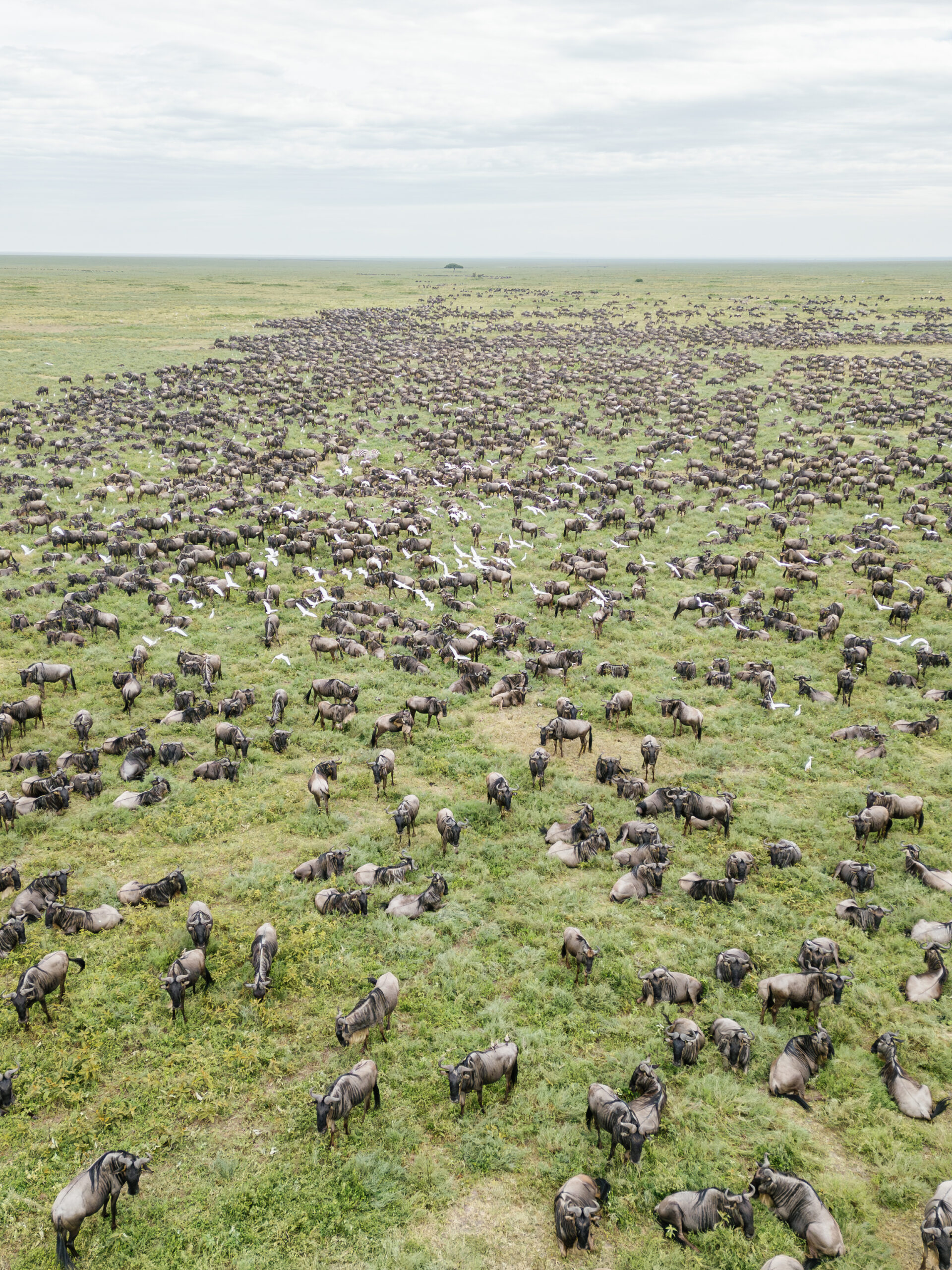
If your dream is simply to see vast numbers of wildebeest and zebra stretching to the horizon, you do not necessarily need to travel during river crossing season.
At various times of year, the southern, central and western regions of the Serengeti can offer astonishing concentrations of wildlife, often with far fewer vehicles around.
Is Calving Season a Priority?
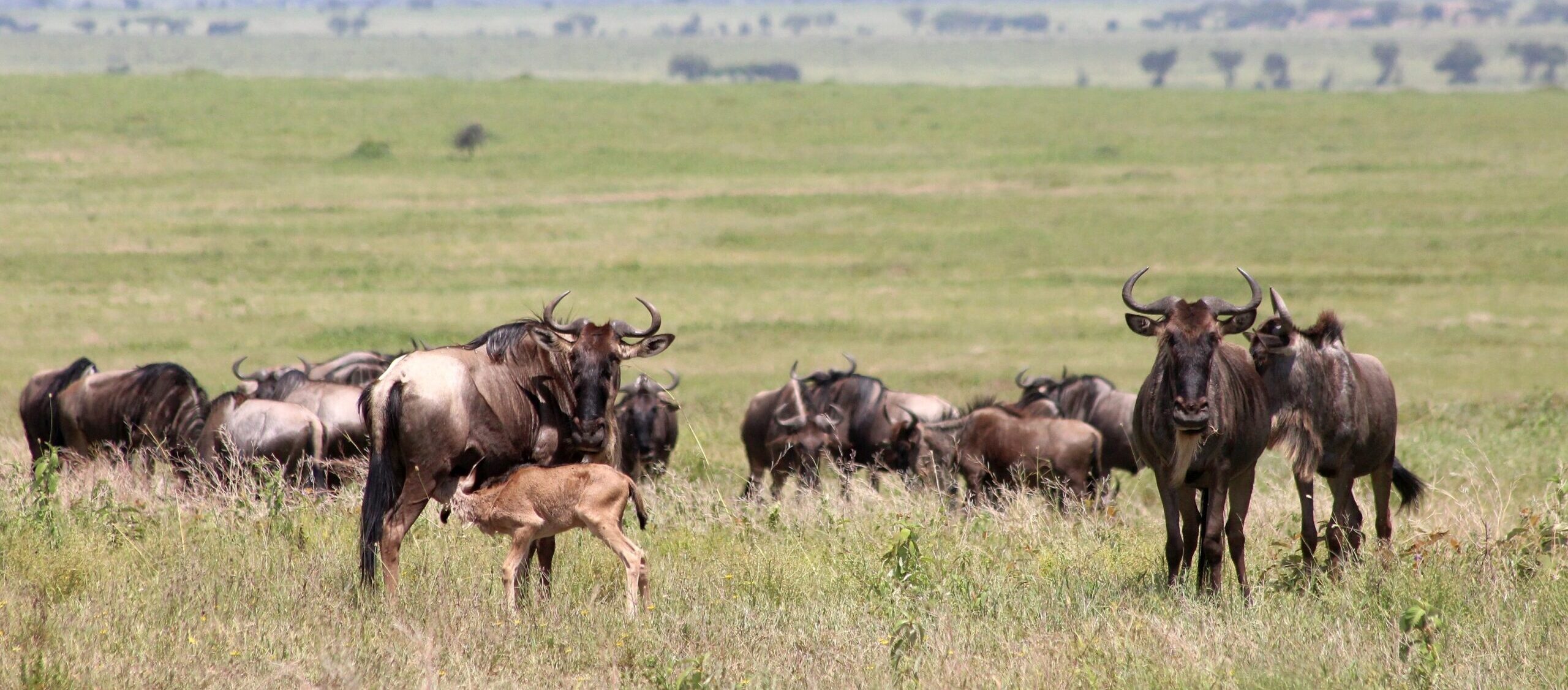
January and February bring one of the most remarkable periods in the migration cycle.
The southern Serengeti becomes a nursery as hundreds of thousands of wildebeest calves are born within a relatively short period.
The abundance of newborn animals also attracts predators, creating exceptional wildlife viewing opportunities and some of the most rewarding photographic experiences of the year.
Is Seeing the Big Five Your Priority?
For many first-time safari travellers, the migration and river crossings are not actually the primary goal at all.
Many guests simply want to experience Africa’s iconic wildlife and tick the Big Five off their bucket list.
The good news is that this is very much an all-year-round experience.
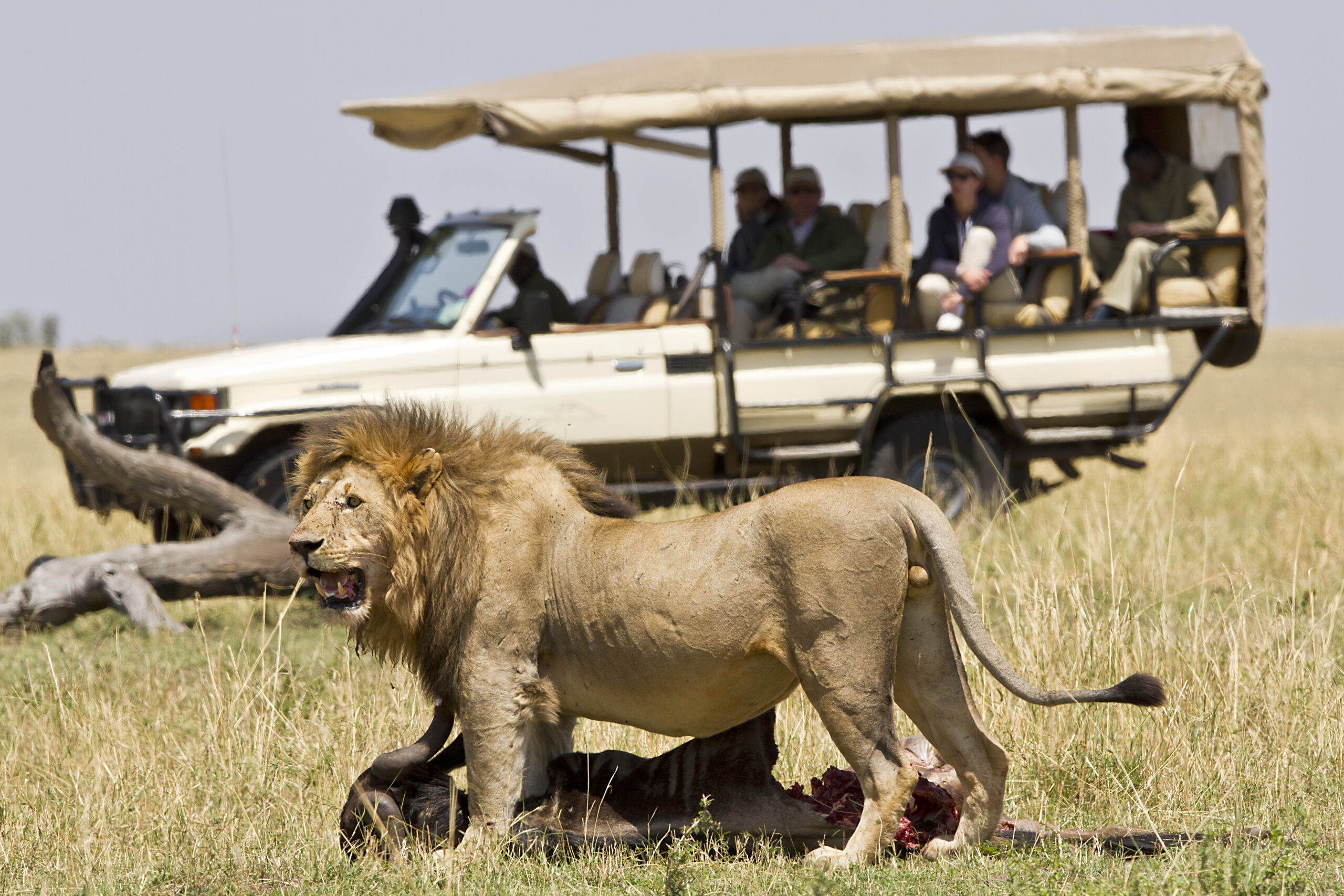
Lions, leopards, elephants, buffalo and rhino do not migrate. They are resident species, and exceptional Big Five viewing can be enjoyed throughout the year in both the Masai Mara and Serengeti.
When it comes to concentrated game viewing, the Masai Mara has a distinct advantage. The reserve covers approximately 1,500 square kilometres, while the Serengeti ecosystem spans close to 30,000 square kilometres. In other words, the Masai Mara could fit into the Serengeti around twenty times.
Because wildlife is distributed across a much smaller area, game sightings in the Mara can often feel more concentrated. Guests frequently remark on the sheer abundance of animals they encounter during a relatively short game drive.
The Serengeti offers something different.
Its immense scale creates a sense of wilderness that is difficult to describe until you have experienced it. Endless plains stretch towards the horizon, punctuated by acacia trees and the famous granite kopjes that rise dramatically from the grasslands.
There is a grandeur to the Serengeti that stays with you long after your safari has ended.
While the Mara may offer more concentrated wildlife viewing, the Serengeti delivers some of Africa’s most unforgettable landscapes. The vast open plains, dotted horizons and ancient kopjes are among the world’s great natural spectacles and, in my view, should be on everyone’s travel bucket list at least once in their lifetime.
For those fortunate enough to visit both, the combination is hard to beat: the concentrated wildlife encounters of the Masai Mara paired with the breathtaking scale and scenery of the Serengeti.
Is Privacy a Priority?
This is a consideration that is becoming increasingly important for many travellers.
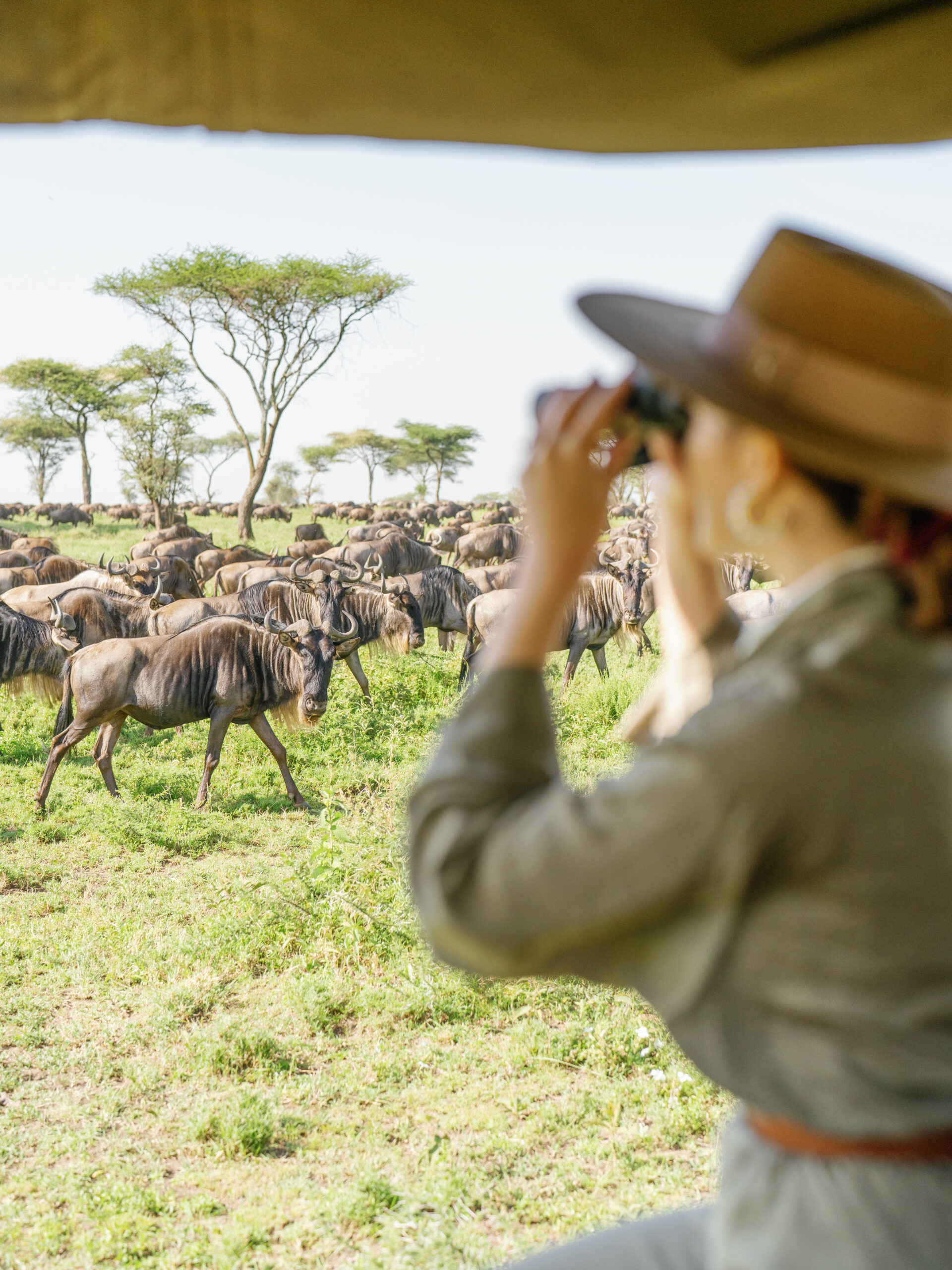
During the river crossing season, visitor numbers are at their highest. The wildlife viewing is exceptional, but there can also be considerable vehicle traffic in certain areas.
Outside this peak period, a different kind of magic emerges.
The parks feel more spacious. The pace slows. There is a sense of exclusivity that many experienced safari travellers come to treasure.
How wonderful is it to drive through the Serengeti or Masai Mara and not encounter another vehicle for extended periods of time?
Personally, I believe that travelling outside the traditional river crossing season may well become the next big trend in safari travel.
Budget Matters Too
One of the most practical considerations is cost.
Travelling outside the river crossing season is often considerably more affordable.
Guests can benefit from lower seasonal rates, attractive special offers and greater availability.
In many cases, travellers are able to enjoy longer stays, combine multiple destinations or upgrade their accommodation while staying within the same budget.
The value can be exceptional.
The Best of Both Worlds at Mara Bushtops
For guests visiting Mara Bushtops during the river crossing season, there is another important advantage.
Guests can experience the excitement and energy of the Masai Mara National Reserve, where the migration action is taking place, while also enjoying the tranquility of our private Isaaten Conservancy.
Unlike many Conservancies, Isaaten is exclusively available to Bushtops guests.
This creates a wonderful contrast: dramatic wildlife encounters in the reserve, followed by peaceful game drives and uninterrupted wilderness experiences in a private conservancy setting where we go off road, can do night game drives and 6 different walking safaris.
For many guests, it truly offers the best of both worlds.
The Salt Lick That Never Sleeps
There is another feature that makes Mara Bushtops unique.
The camp sits directly in front of the largest natural salt lick in the Masai Mara.
The concentration of wildlife throughout the year is simply remarkable.
Elephants, buffalo, zebra, giraffe, antelope and predators all visit the area, creating a constantly changing wildlife theatre visible directly from camp.
We are fortunate to have a live webcam overlooking the salt lick, allowing prospective guests to watch events unfold in real time and even scroll back up to twelve hours to see what they may have missed.
Interestingly, the busiest wildlife activity at the salt lick often occurs between approximately 10 a.m. and 4–5 p.m., precisely when many guests elsewhere might assume the bush has become quiet.
So, When Is the Best Time to Visit?
After twenty years of welcoming guests to Bushtops, my answer remains exactly the same.
There is no bad time to visit.
There is only the right time for you.
Whether your dream is river crossings, enormous herds, calving season, photography, privacy, value for money or simply spending time immersed in one of Africa’s greatest wildernesses, there is a season perfectly suited to your interests.
The key is understanding what experience you want to have.
Once you know that, choosing when to travel becomes wonderfully easy.
And whichever season you choose, the Serengeti and Masai Mara will never disappoint.